

Industry News
 27 2026-08
 What hidden project risks arise from poorly‑engineered non‑insulating aluminum‑alloy bay‑window assemblies?
Guanye Windows non‑insulating aluminum‑alloy bay‑window solution applies reinforced corner‑connection craftsmanship, unified multi‑segment dimensional control and project‑tailored technical documentation, mitigating frame‑deformation failure, site‑rework expenses and regulatory‑audit barriers for cross‑border residential‑construction clients.
 30 2026-07
 How Do Aluminum Alloy Glass Balustrades Cut Long-Term Maintenance Costs For Commercial & Residential Projects?
Architectural contractors, property management companies and villa renovation designers often face persistent headaches with traditional guardrail products. Wrought iron railings rust rapidly in humid and coastal areas, requiring annual sanding and repainting; cheap thin stainless steel balustrades deform easily under impact and show obvious scratches after short use. Ordinary plastic handrails fail to meet building safety standards and cannot match high-end architectural styles. Guanye’s aluminum alloy glass balustrade integrates optimized aluminum extrusion profiles and safety tempered glass, solving long-term corrosion, frequent maintenance and aesthetic matching pain points for residential villas, commercial malls and hotel renovation projects, creating low total cost of ownership architectural protection solutions for global construction buyers.
 03 2026-06
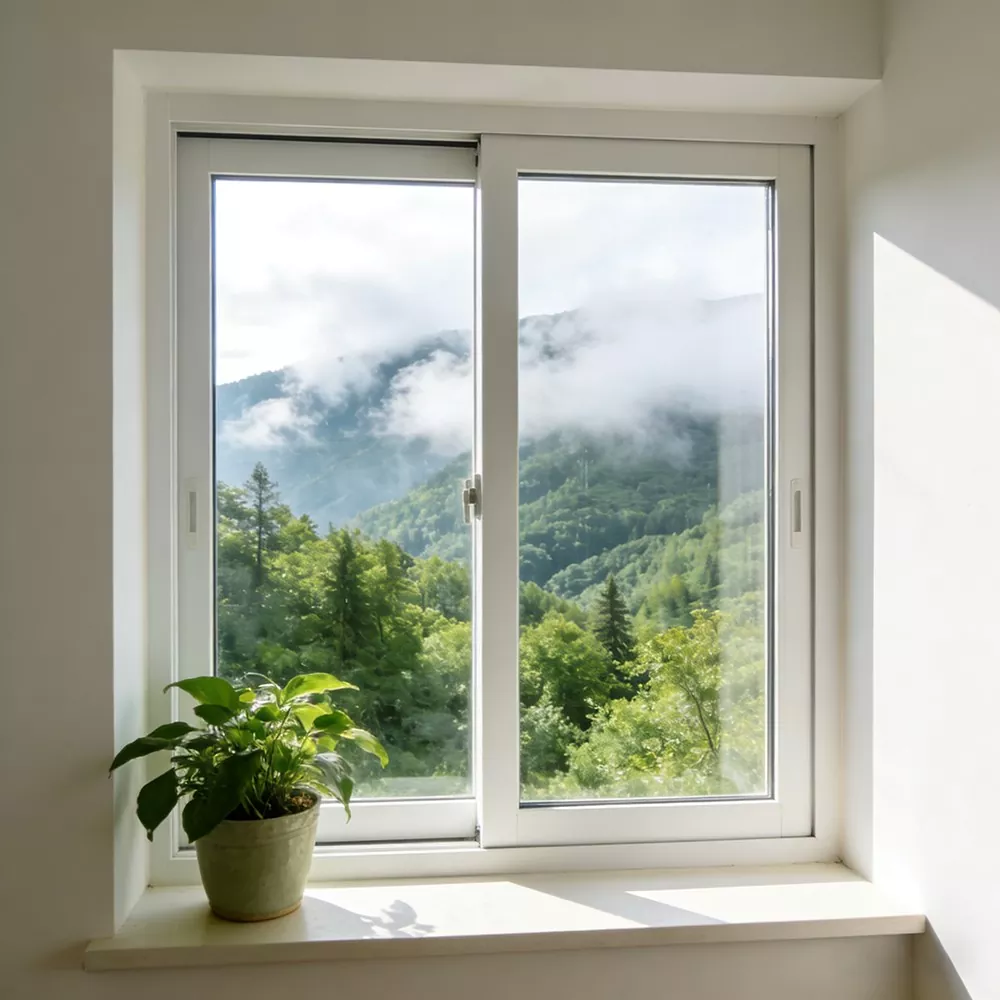
 Why Are Plastic-Steel Doors And Windows Becoming the Preferred Choice for Modern Buildings?
Plastic-Steel Doors And Windows have become one of the most popular solutions in residential, commercial, and industrial construction. They combine strong structural performance, excellent thermal insulation, weather resistance, and low maintenance requirements.
 18 2026-05
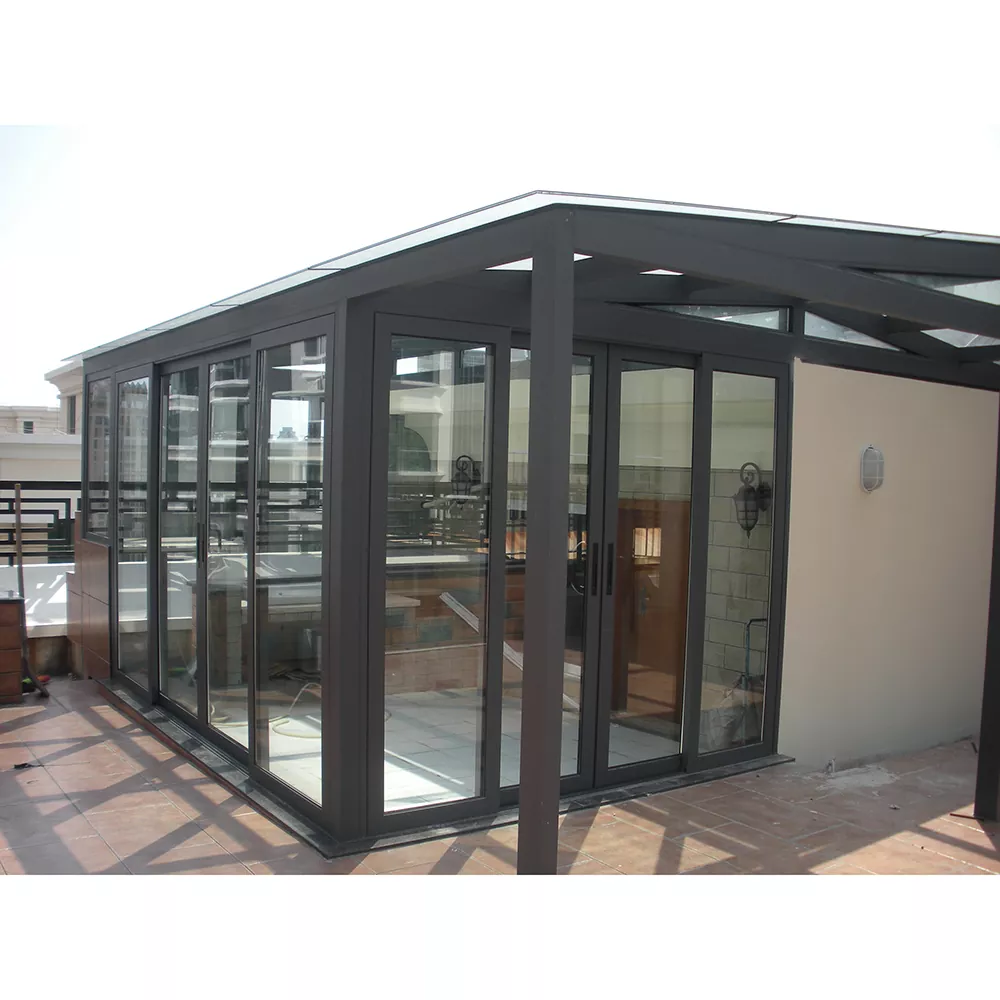
 Why Is an Aluminum-Framed Sunroom Without Sunshade Becoming a Modern Home Trend?
An aluminum-framed sunroom without sunshade systems offers a clean, minimalist, and highly modern architectural appearance. Instead of relying on bulky curtains or roof shades, modern engineering uses insulated glass, Low-E coatings, ventilation systems, and smart orientation planning to create a comfortable indoor environment.
 11 2026-05
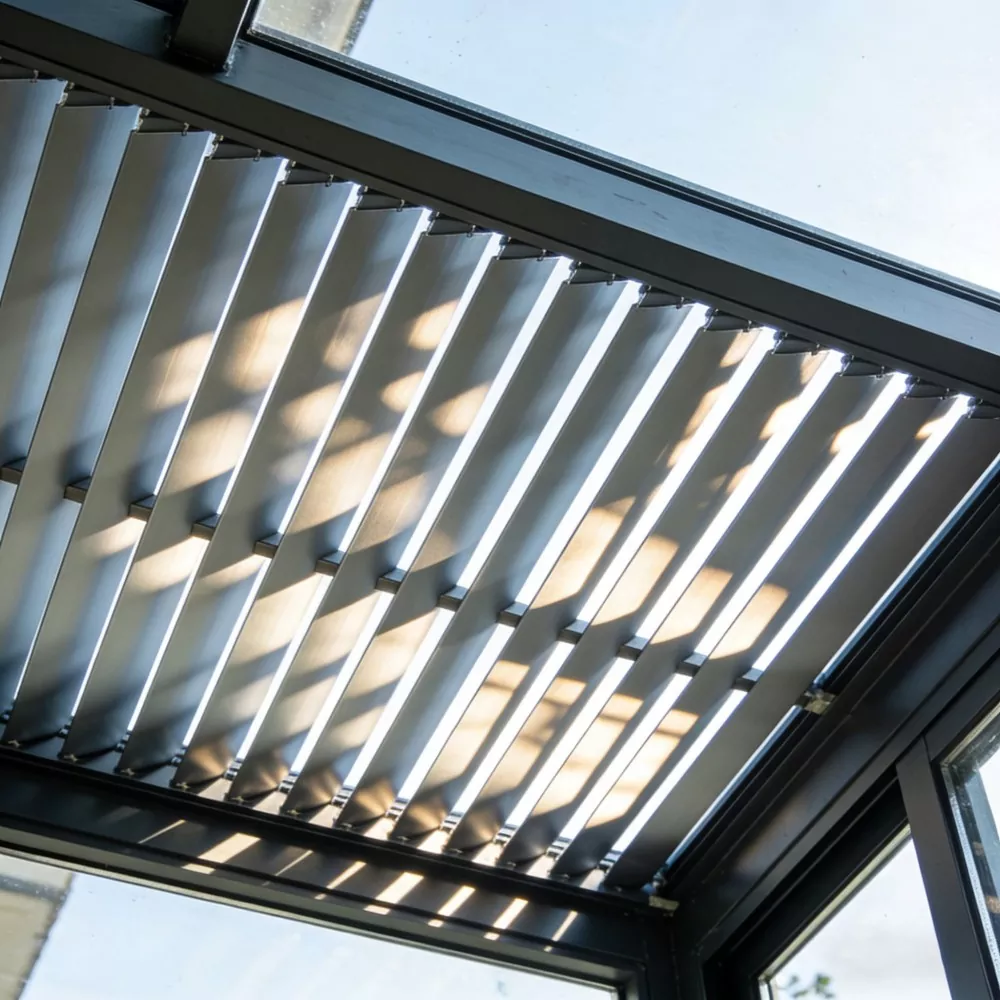
 Why Are Non-Insulated Aluminum Alloy Windows Still a Practical Choice for Modern Buildings?
Non-insulated aluminum alloy windows continue to play an important role in residential, commercial, and industrial architecture, even as energy-efficient building standards evolve rapidly. This article explores why these window systems remain widely used, how they perform in different environments, and what advantages they still offer to property owners, architects, and developers. You will also learn about their structural characteristics, cost efficiency, durability, maintenance requirements, and where they best fit in modern construction projects.
 28 2026-04
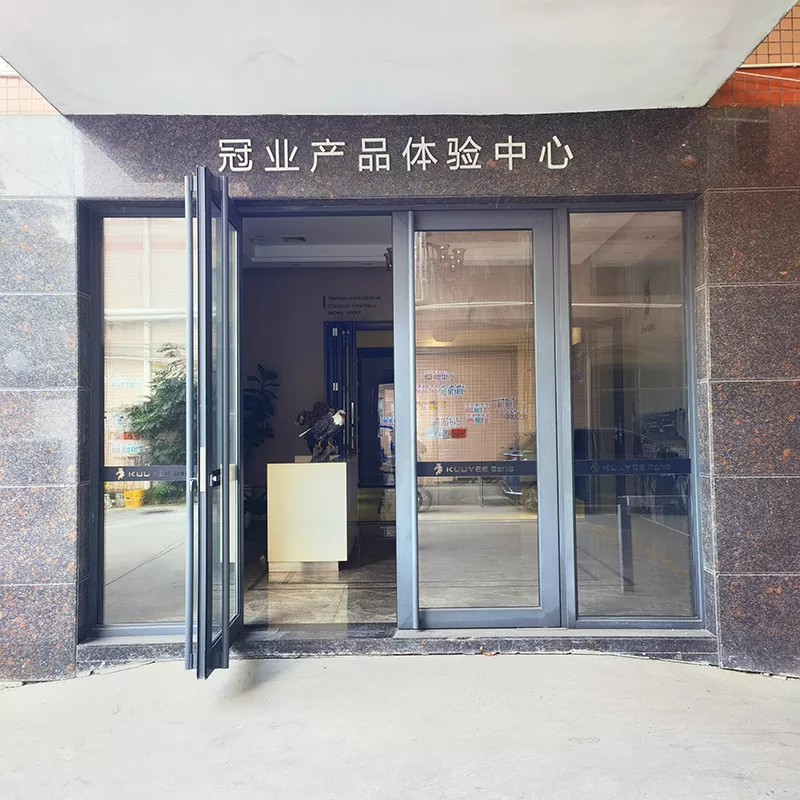
 Why Choose a Non-Insulated Aluminum Alloy Door for Modern Spaces?
In the world of architectural design and building materials, selecting the right door can significantly impact functionality, aesthetics, and cost efficiency. A non-insulated aluminum alloy door stands out as a practical and versatile solution, especially for environments where thermal insulation is not a primary concern. Whether used in commercial spaces, industrial settings, or interior partitions, this type of door offers durability, sleek design, and cost-effectiveness. This comprehensive guide explores everything you need to know to make an informed decision.