
News

Why Are Non-Insulated Aluminum Alloy Windows Still a Practical Choice for Modern Buildings?

2026-05-11 0 Leave me a message

Non-insulated aluminum alloy windows continue to play an important role in residential, commercial, and industrial architecture, even as energy-efficient building standards evolve rapidly. This article explores why these window systems remain widely used, how they perform in different environments, and what advantages they still offer to property owners, architects, and developers. You will also learn about their structural characteristics, cost efficiency, durability, maintenance requirements, and where they best fit in modern construction projects. By the end, you will have a clear understanding of whether non-insulated aluminum alloy windows are suitable for your next building or renovation project.

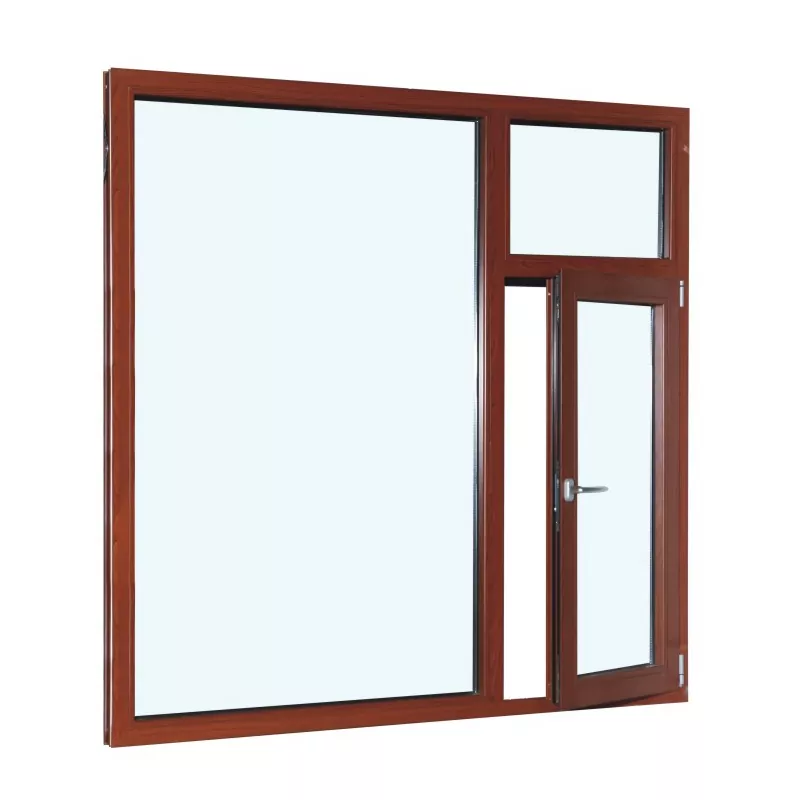
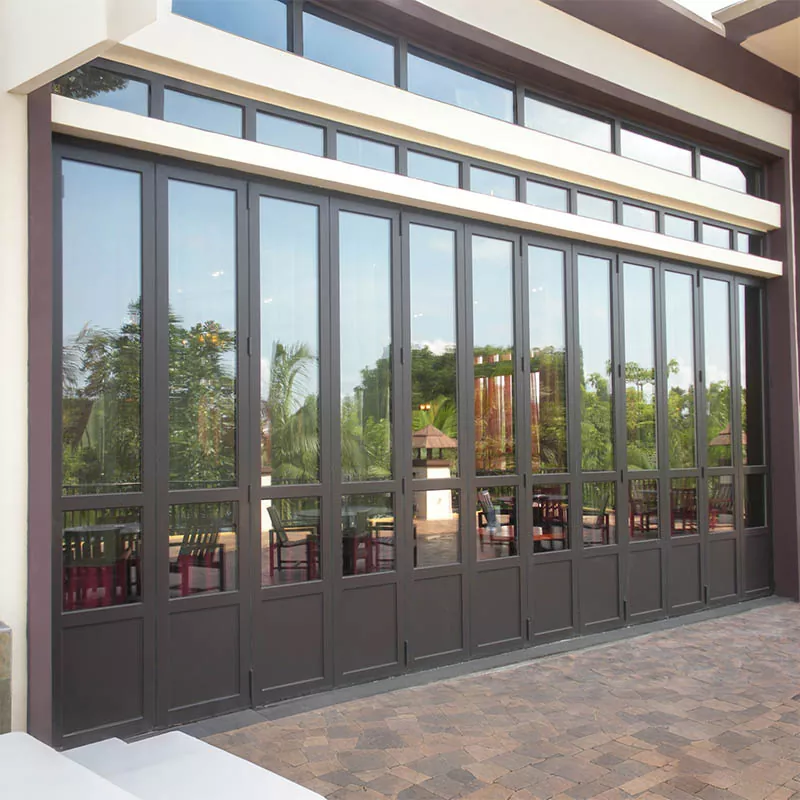
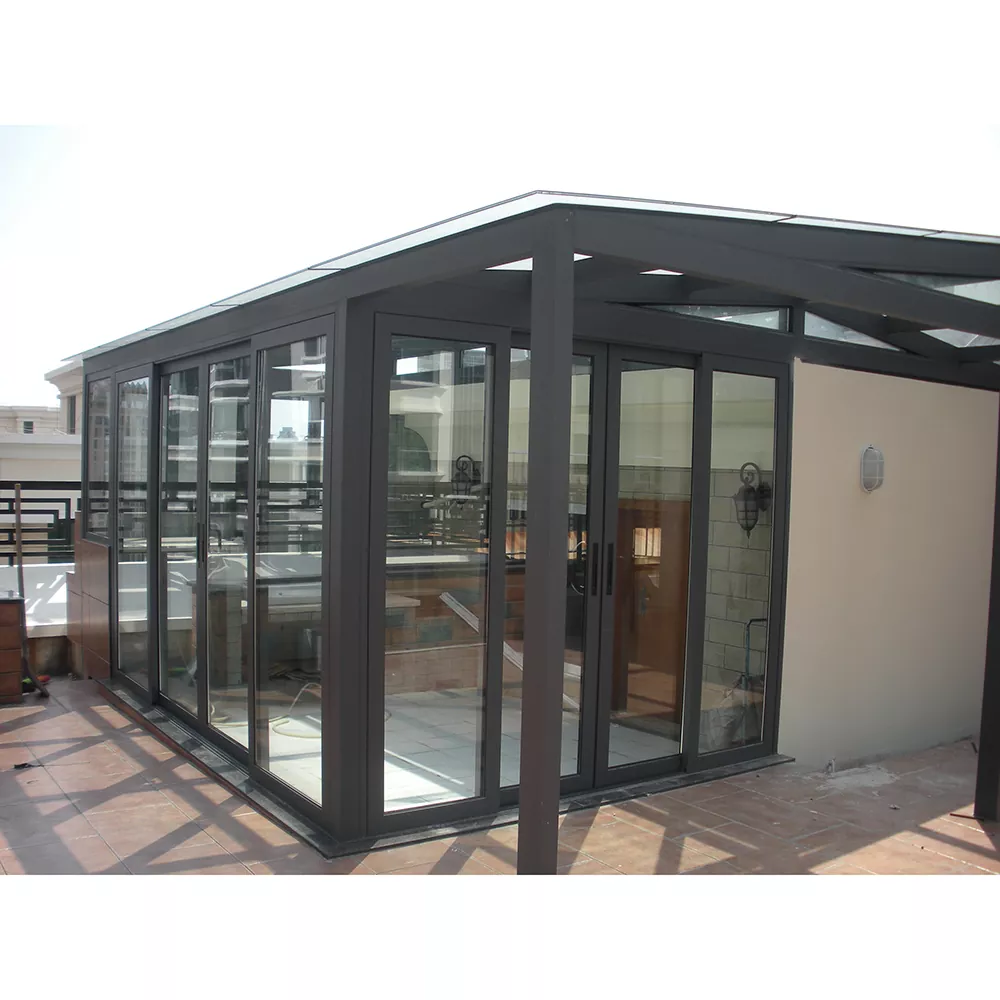
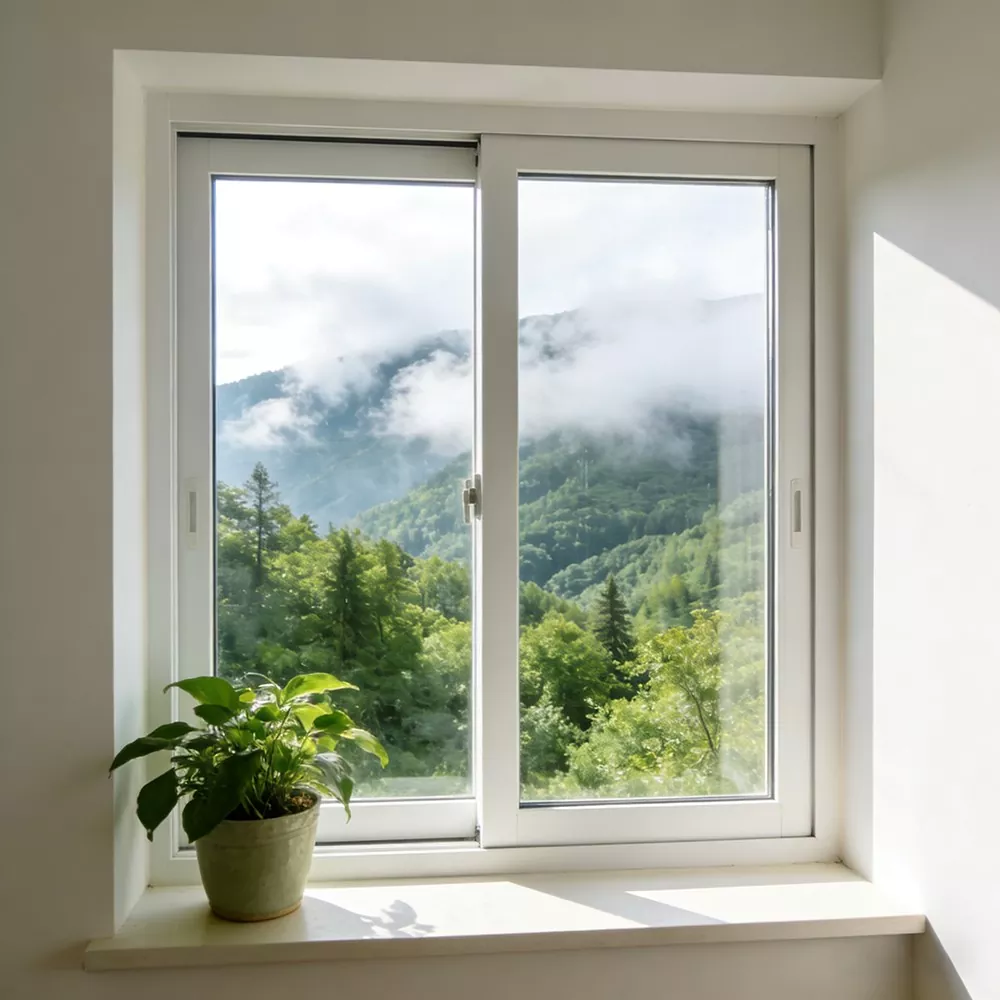
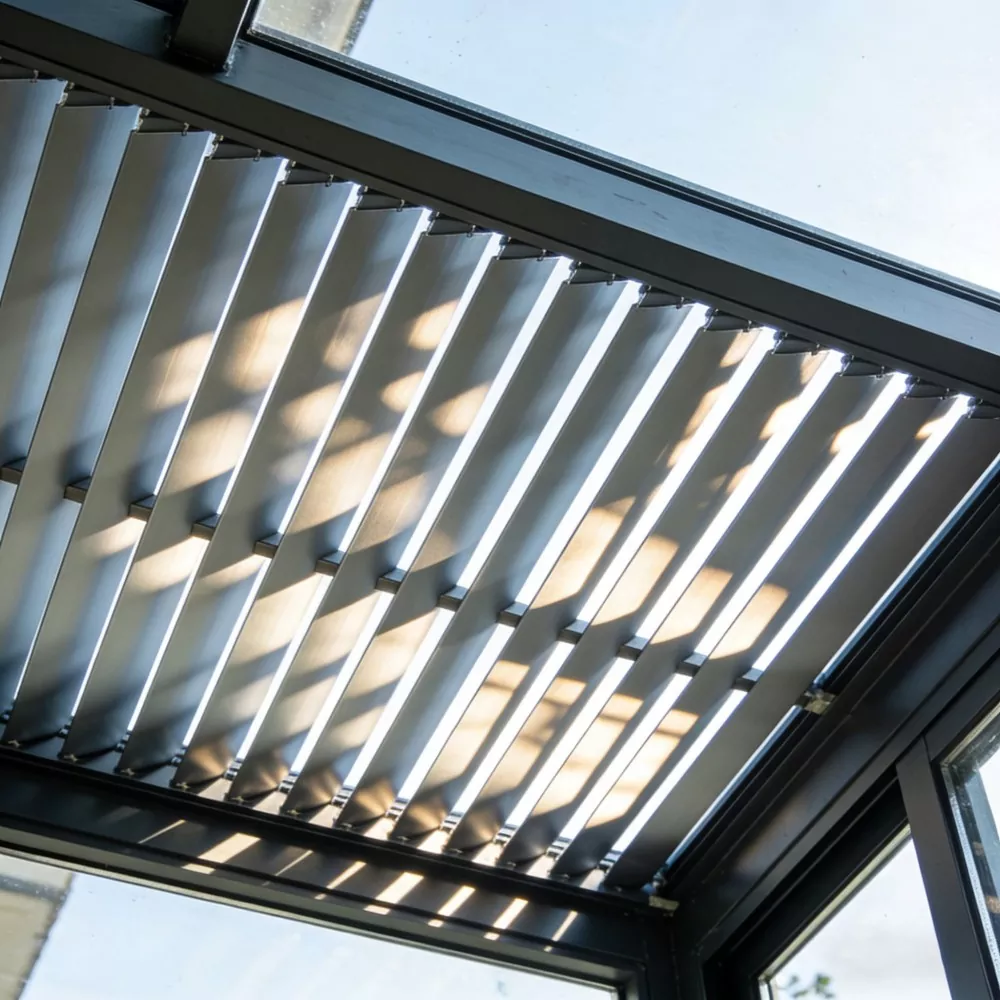
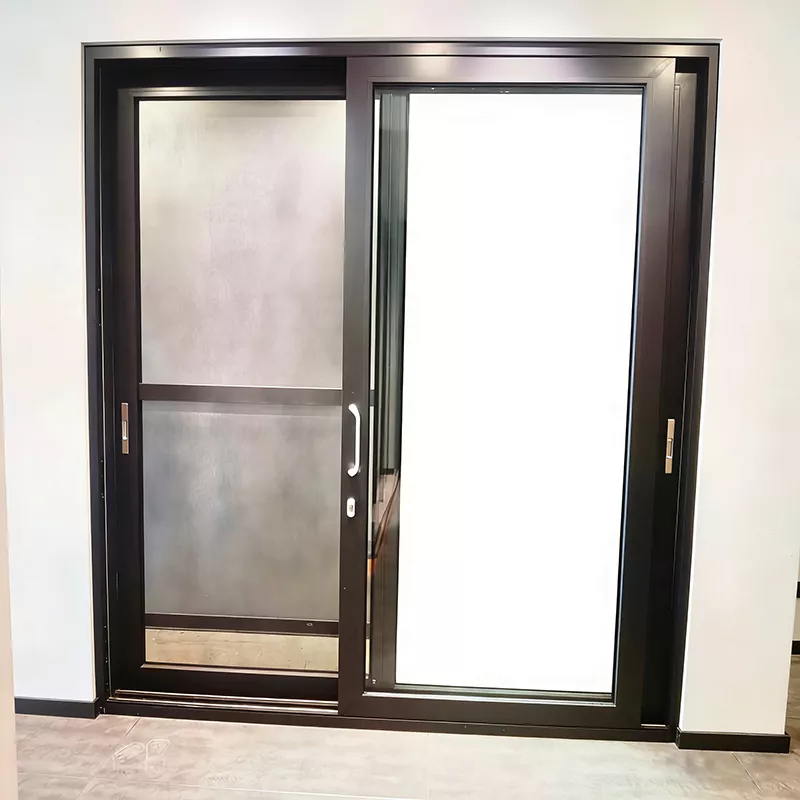
Non-insulated aluminum alloy windows


Table of Contents


Introduction

In modern architecture, window systems are no longer just functional openings for light and ventilation. They are critical components affecting energy consumption, structural aesthetics, and indoor comfort. Among the many available options, non-insulated aluminum alloy windows continue to maintain strong demand in both emerging and mature construction markets.

While thermal break and insulated systems dominate high-end energy-efficient projects, non-insulated aluminum alloy windows still offer unique advantages such as affordability, structural simplicity, and ease of maintenance. This makes them a practical solution in many climates and building types where extreme thermal insulation is not the top priority.


What Are Non-Insulated Aluminum Alloy Windows?

Non-insulated aluminum alloy windows are window systems constructed using aluminum profiles without a thermal break layer. This means the internal and external aluminum frames are directly connected, allowing heat and cold to transfer more easily through the frame.

Despite this characteristic, these windows are widely used due to their structural strength, lightweight nature, and cost-effectiveness. They are especially common in commercial buildings, interior partitions, and regions with moderate climates.


Key Features

  • Simple structure: No thermal barrier between internal and external frames.
  • Lightweight: Easier handling and installation compared to heavier materials.
  • High durability: Aluminum alloy resists corrosion and deformation.
  • Cost-efficient: Lower manufacturing and installation costs.
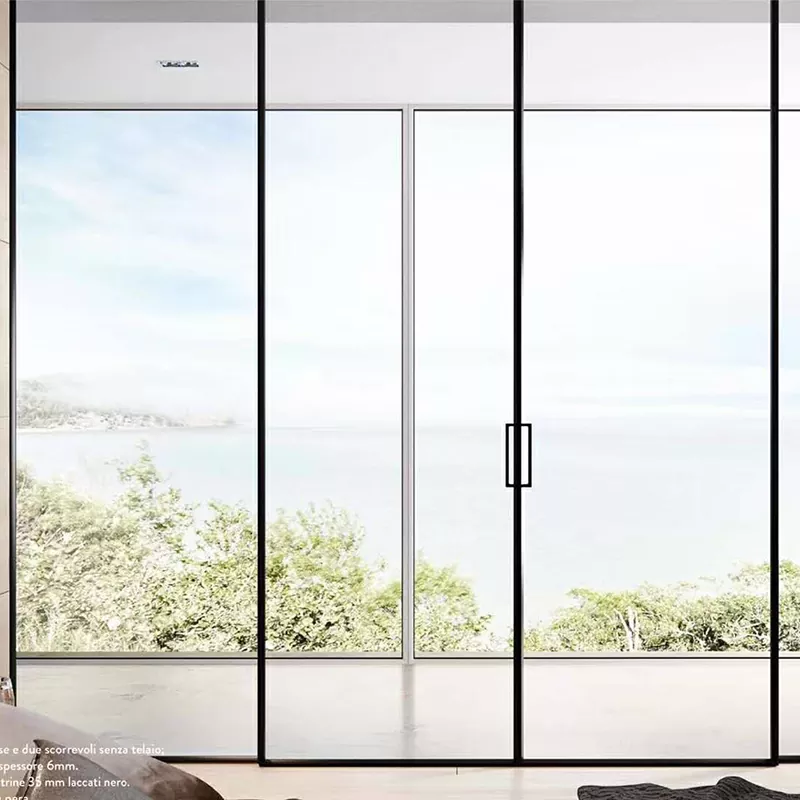
  • Modern appearance: Slim frames suitable for contemporary architecture.

Major Advantages of Non-Insulated Aluminum Alloy Windows

Although they lack thermal insulation technology, these windows still provide several important benefits that make them attractive in many construction scenarios.

1. Economic Efficiency

One of the biggest advantages is cost savings. Without insulation materials or complex manufacturing processes, production costs are significantly lower.

2. Structural Strength

Aluminum alloy provides excellent rigidity and can support large glass panels, making it ideal for wide window openings.

3. Design Flexibility

These windows support various architectural styles, from minimalist office buildings to industrial facilities.

4. Easy Maintenance

The smooth aluminum surface is easy to clean and does not require frequent upkeep or special treatments.


Common Customer Pain Points and How These Windows Address Them

  • High construction budget: Non-insulated systems reduce overall project cost.
  • Complex maintenance: Aluminum frames are simple to clean and maintain.
  • Installation delays: Lightweight materials speed up installation.
  • Design limitations: Slim profiles allow larger glass surfaces and modern aesthetics.

Applications in Real Projects

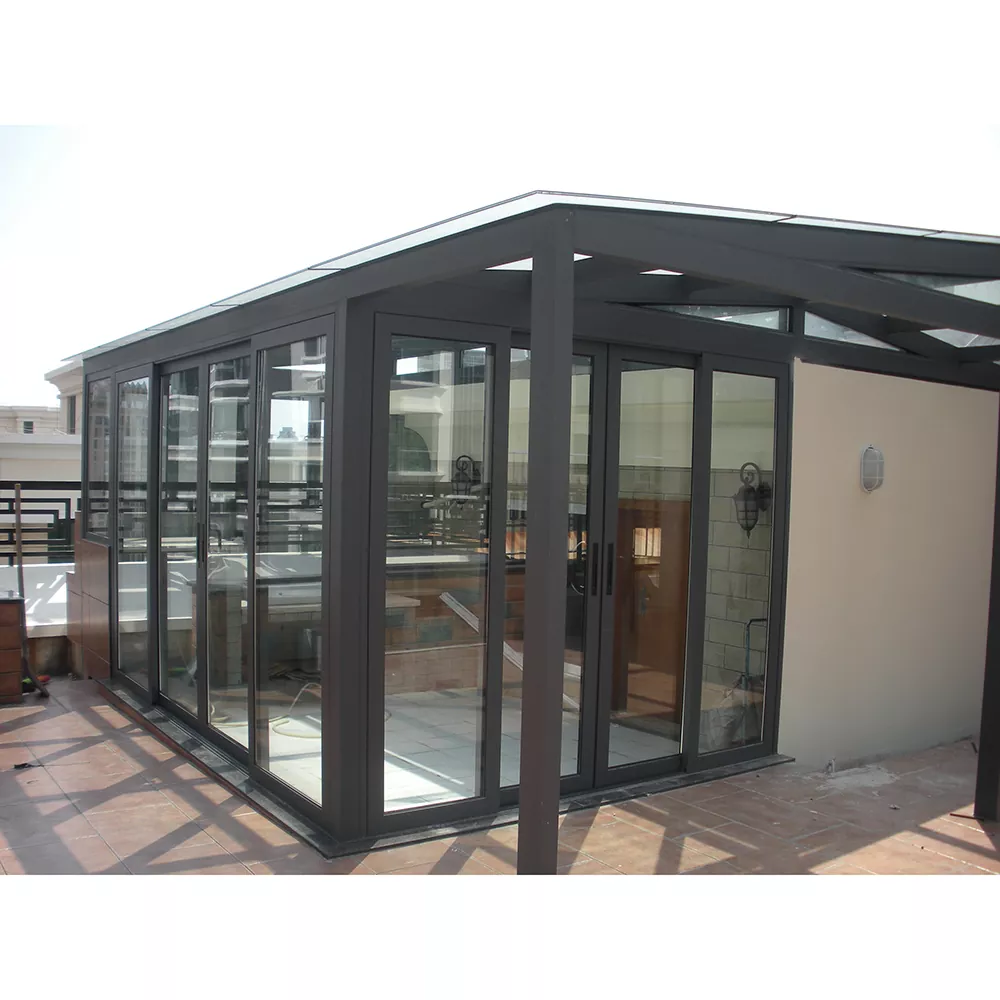
Non-insulated aluminum alloy windows are widely used in different types of buildings depending on climate, budget, and functional requirements.

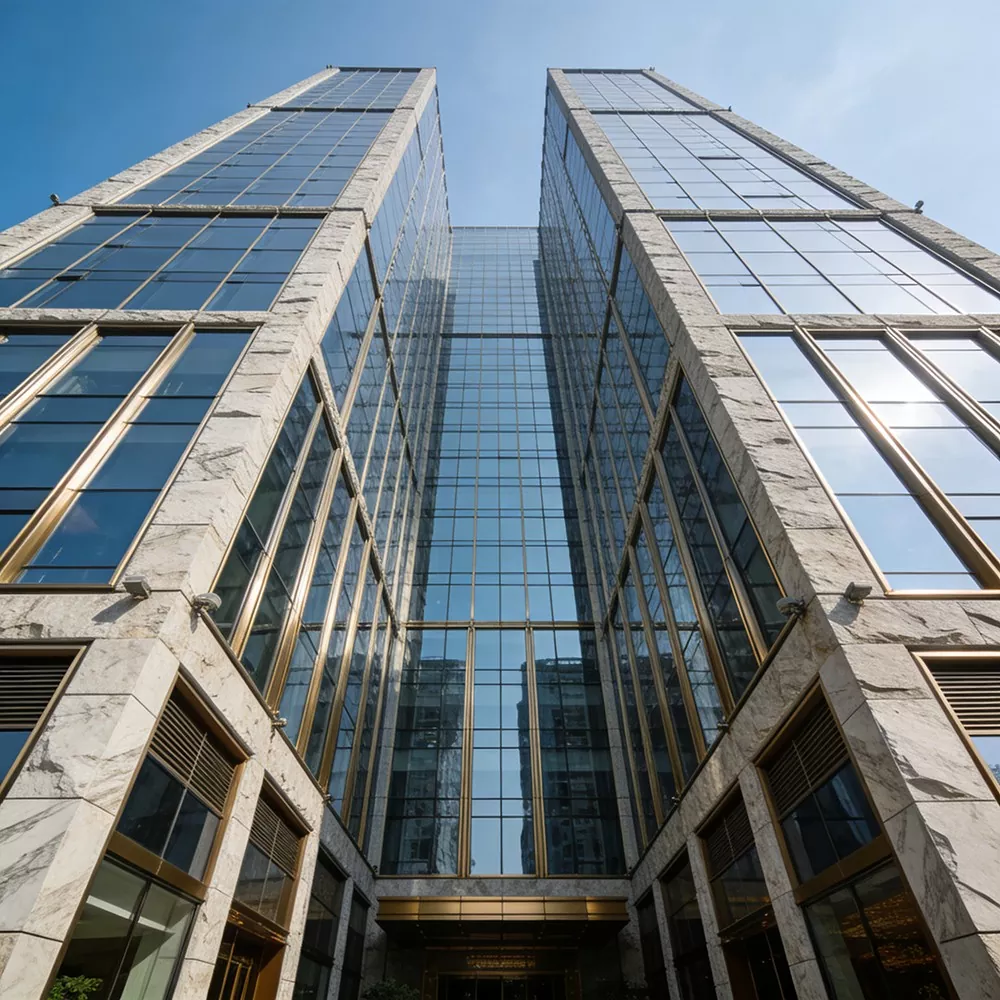
  • Office buildings and commercial spaces
  • Industrial plants and warehouses
  • Interior partition windows
  • Temporary structures and modular buildings
  • Residential projects in mild climate regions

Performance Comparison Table

Feature Non-Insulated Aluminum Alloy Window Thermal Break Aluminum Window
Thermal Insulation Low High
Cost Lower Higher
Structural Strength High High
Energy Efficiency Moderate to Low High
Best Use Commercial, mild climates Cold/hot extreme climates

Installation Considerations

Proper installation is essential to maximize the performance of non-insulated aluminum alloy windows. Even though the system is structurally simple, precision is required to avoid air leakage and water infiltration.

  • Ensure accurate frame alignment during installation
  • Use high-quality sealing materials
  • Check structural openings before fitting
  • Verify drainage paths for water resistance

Maintenance Guide

One of the strongest advantages of aluminum alloy windows is their low maintenance requirement. However, regular care still ensures long-term performance.

  • Clean frames with mild detergent and soft cloth
  • Avoid abrasive chemicals that damage surface coating
  • Check seals annually for wear and tear
  • Lubricate moving parts like hinges and locks
Buying Guide for Non-Insulated Aluminum Alloy Windows

Choosing the right window system requires evaluating both technical and practical factors.

  • Evaluate project climate conditions
  • Determine budget limitations
  • Check aluminum profile thickness
  • Review glass type compatibility
  • Consider long-term maintenance expectations

Common Mistakes to Avoid

  • Choosing non-insulated systems for extreme climates
  • Ignoring sealing quality during installation
  • Overlooking frame thickness standards
  • Focusing only on price instead of performance balance

FAQ

Q1: Are non-insulated aluminum alloy windows energy efficient?
They are less energy efficient compared to insulated systems but still suitable for moderate climates.

Q2: How long do these windows last?
With proper maintenance, they can last decades due to aluminum’s corrosion resistance.

Q3: Can they be used in residential buildings?
Yes, especially in regions without extreme temperature variations.

Q4: Are they cheaper than thermal break windows?
Yes, they are generally more cost-effective due to simpler construction.

Q5: Do they require special maintenance?
No, basic cleaning and occasional hardware checks are sufficient.


Conclusion & Contact

Non-insulated aluminum alloy windows remain a practical and reliable solution for many construction needs. While they are not designed for extreme energy efficiency, their affordability, durability, and structural simplicity make them highly valuable in commercial and moderate-climate applications. Understanding their strengths and limitations helps builders and property owners make informed decisions that balance cost and performance.

If you are looking for high-quality aluminum window systems tailored to your project requirements, Guanyue Doors and Windows (Dongguan) Co., Ltd. provides professional manufacturing solutions with consistent quality control and customization options.

For more product details, technical consultation, or project cooperation, feel free to contact us to get expert support and tailored recommendations for your building needs.

Related News
Leave me a message
X
We use cookies to offer you a better browsing experience, analyze site traffic and personalize content. By using this site, you agree to our use of cookies.Privacy Policy
RejectAccept